
Wet Cat Food vs. Dry Cat Food: What's Really Best for Your Cat?
The answer isn't one-size-fits-all.

Here's how to decide based on your cat's unique needs.
Choosing between wet and dry cat food is one of the most common questions cat parents wrestle with - whether you're a first-time cat owner or simply taking a fresh look at what's in your cat's bowl. Both formats can provide complete, balanced nutrition when portioned correctly, and plenty of pet parents find success mixing the two. The right choice depends on your cat's health, habits, and preferences. Here's a breakdown of everything you need to know.
What's the Difference Between Wet and Dry Cat Food?
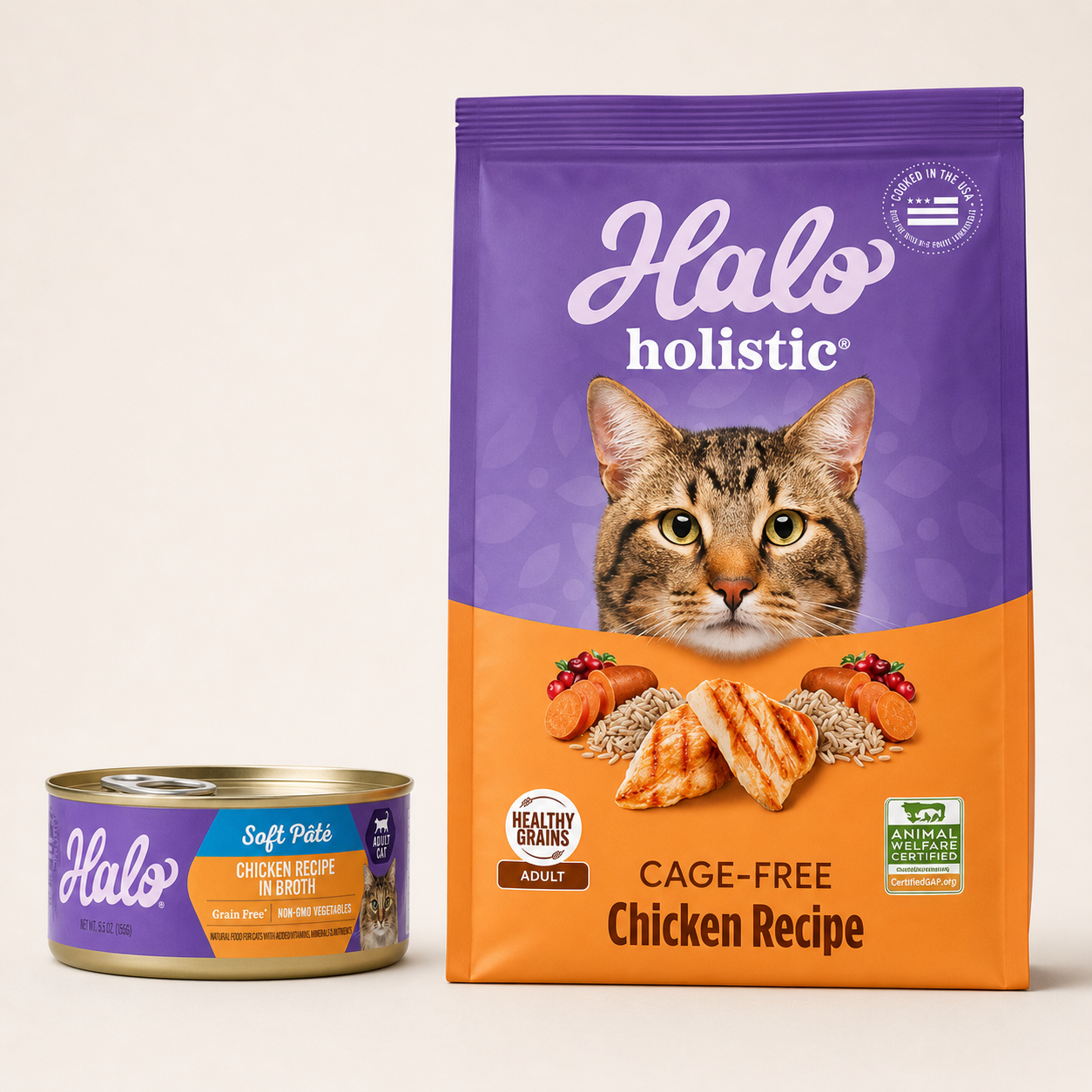
Moisture: The biggest difference is water content. Halo's dry cat food contains 9% moisture, while our canned food contains 78–84%. According to the Cornell Feline Health Center, cats have a low thirst drive by nature - meaning the moisture in their food plays a bigger role in their daily hydration than most pet parents realize.
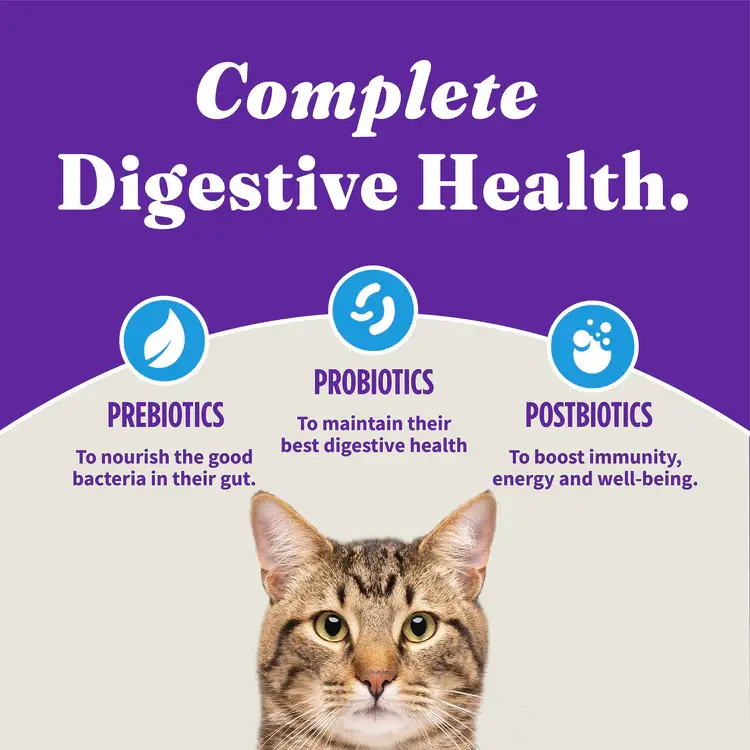
Nutrients: Dry food typically contains more carbohydrates than canned food, while protein and fat levels vary by recipe. All of Halo's dry cat foods include prebiotics to nourish good gut bacteria, probiotics for digestive health, and postbiotics to support overall well-being.
Wet Cat Food: Pros & Cons
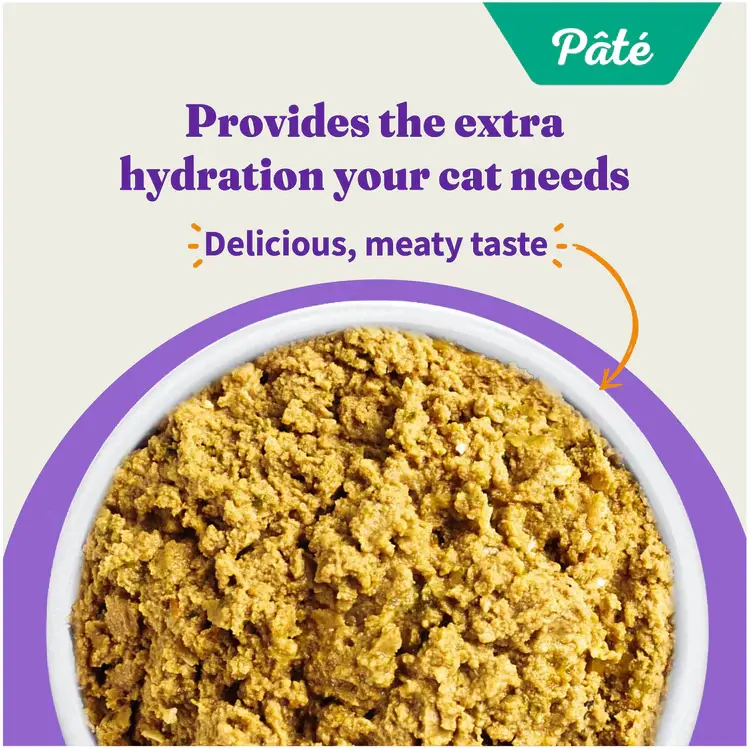
✅ The high water content is a meaningful advantage for cats prone to urinary issues, kidney disease, or diabetes. The American Veterinary Medical Association (AVMA) notes that increased fluid intake can play a supportive role in managing several common feline health conditions. It's also a huge win for cats that just don't tend to drink enough water on their own.
✅ The rich aroma and texture make it a top choice for picky eaters.
✅ The softer consistency of wet food is often more comfortable for senior cats with gum sensitivities.
❌ Wet food can contribute to faster plaque and tartar buildup compared to dry food.
❌ It's perishable - bowls need to be washed after each meal and opened cans need airtight lids and refrigeration.
Dry Cat Food: Pros & Cons
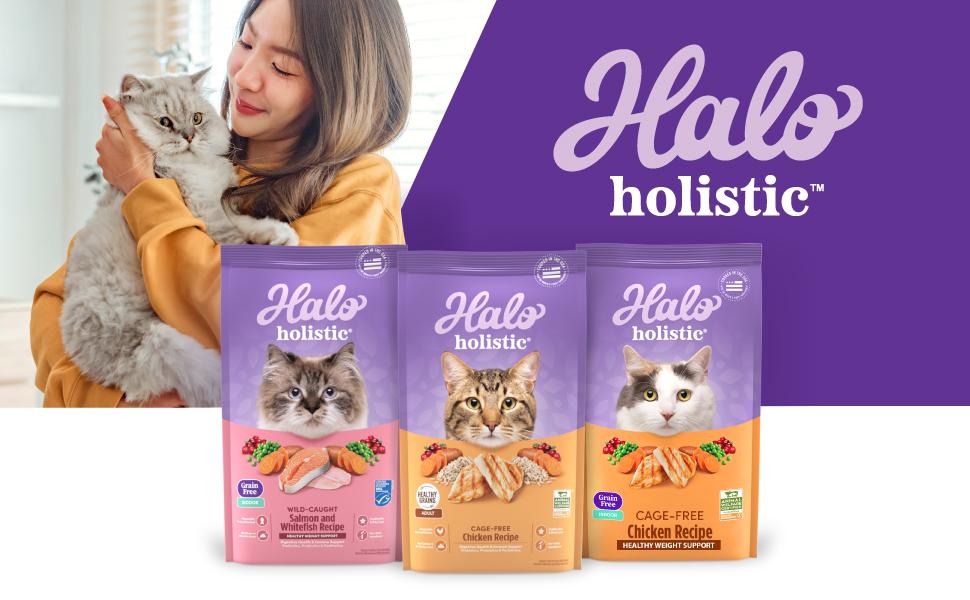
✅ No refrigeration needed, longer shelf life, and compatible with automatic feeders and puzzle toys - a convenient option for cats who do well with free-feeding.
✅ Generally more economical per serving than wet food.
❌ Lower moisture content makes it a less ideal fit for cats with urinary problems, obesity, or chronic dehydration.
Best of Both Worlds: Feeding Both
A blended routine gives you the best of both options. A simple approach: dry food in the morning for daytime grazing, wet food in the evening so any leftovers can be tossed before bed. You can also stir wet food into dry kibble (our favorite method), or add a splash of water or cat-safe low-sodium chicken broth for extra hydration to dry food as well.
Wet Cat Food: Pros & Cons
✅ The high water content is a meaningful advantage for cats prone to urinary issues, kidney disease, or diabetes. The American Veterinary Medical Association (AVMA) notes that increased fluid intake can play a supportive role in managing several common feline health conditions. It's also a win for cats that just don't tend to drink enough water on their own.
✅ The rich aroma and texture make it a top choice for picky eaters.
❌ Wet food can contribute to faster plaque and tartar buildup compared to dry food, and portioning it accurately takes a little more effort.
❌ It's perishable - bowls need to be washed after each meal, opened cans need airtight lids and refrigeration, and some cats prefer their food warmed slightly before serving.
Dry Cat Food: Pros & Cons
✅ No refrigeration needed, longer shelf life, and compatible with automatic feeders and puzzle toys - a convenient option for cats who do well with free-feeding.
✅ Generally more economical per serving than wet food.
❌ Lower moisture content makes it a less ideal fit for cats with urinary problems, obesity, or chronic dehydration.
Best of Both Worlds: Feeding Both
A blended routine gives you the best of both options. A simple approach: dry food in the morning for daytime grazing, wet food in the evening so any leftovers can be tossed before bed. You can also stir wet food into dry kibble (our favorite method), or add a splash of water or cat-safe low-sodium chicken broth for extra hydration to dry food as well.
What Else to Look For on the Label
-
AAFCO statement - The Association of American Feed Control Officials (AAFCO) sets the baseline nutritional standards for pet food. An AAFCO nutritional adequacy statement helps pet parents know whether a food is complete and balanced for a specific life stage, based on established nutrition standards or feeding trials.
-
Ingredient list - Look for a named, high-quality protein source near the top of the ingredient list. According to the National Research Council, cats are obligate carnivores with specific requirements for amino acids like taurine and arginine that must come from animal protein and are especially important in feline nutrition.
-
What to avoid - Meat meals, GMO ingredients, corn, wheat, soy, artificial flavors, colors, and preservatives. Halo’s wet and dry cat foods are made without these ingredients for a cleaner, more transparent bowl.
Why It Matters
Every cat is different, and the best choice may shift as they age. Some cats have strong preferences for one format and simply won't budge - and that's okay. When in doubt, your veterinarian is always the best resource for guidance tailored to your cat's specific health needs.