
DHA for Kittens:
What It Is & Why It Matters
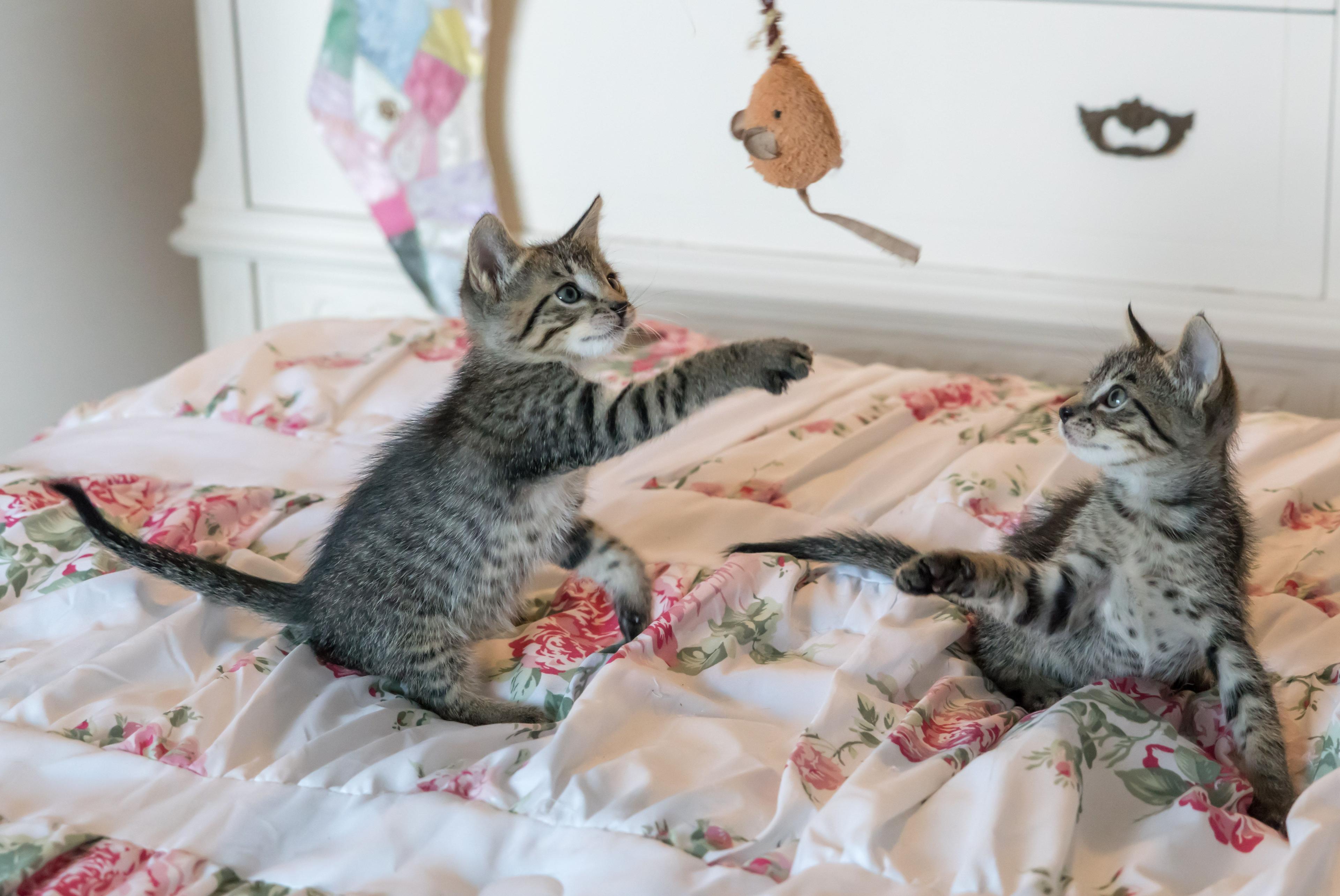
Small kitten. Big appetite. Even bigger developmental needs.
Whether you’re welcoming home a new kitten, fostering a litter or caring for a pregnant or nursing cat, the right nutrition matters from the very beginning. Kittens grow quickly, and their food has a lot of work to do.
One nutrient that plays an especially important role during this stage? DHA.
Small kitten. Big appetite. Even bigger developmental needs.
Whether you’re welcoming home a new kitten, fostering a litter or caring for a pregnant or nursing cat, the right nutrition matters from the very beginning. Kittens grow quickly, and their food has a lot of work to do.
One nutrient that plays an especially important role during this stage? DHA.
What Is DHA?
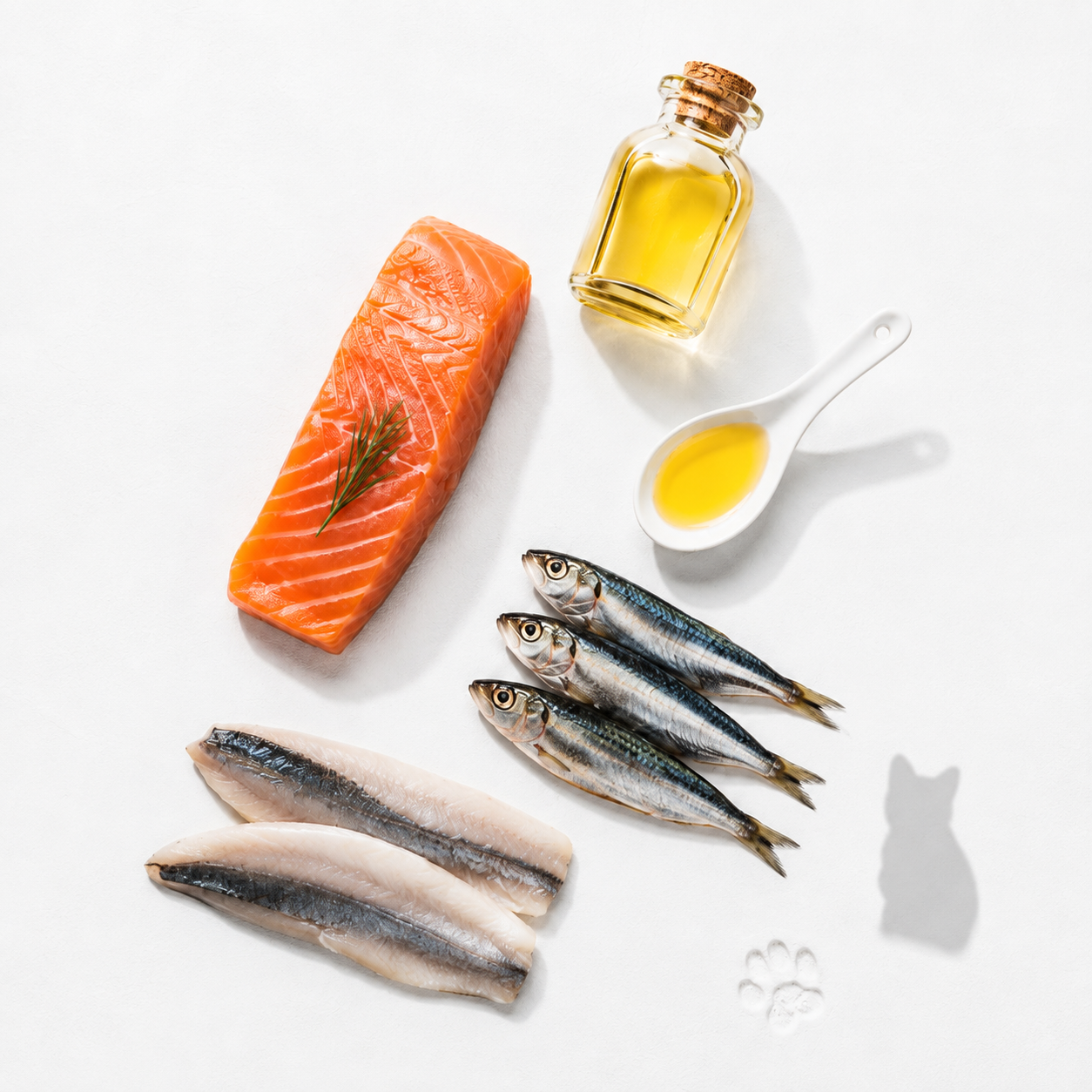
DHA stands for docosahexaenoic acid. It’s a long-chain omega-3 fatty acid naturally found in the brain and retina.
During kittenhood, the brain, eyes and nervous system are developing at full speed. DHA helps support that process by serving as an important structural component of brain and retinal tissue.
Basically, while your kitten is busy learning how to pounce, climb and somehow fit behind the refrigerator, DHA is helping support all the development happening behind the scenes.
Why do kittens need it?
Kittens aren’t especially efficient at producing DHA from other fatty acids, so it’s important for them to receive it through their diet.
Research in developing kittens has shown that diets containing DHA support its accumulation in the brain and retina.¹ That makes it an important part of a complete and balanced food formulated for growth.
DHA also matters before kittens begin eating on their own. A pregnant or nursing cat relies on her diet to provide energy and nutrients for both herself and her litter. Feeding her a complete and balanced food suitable for growth and reproduction helps support those extra nutritional demands.
More Than Just Smaller Kibble
Kitten food isn’t simply adult cat food in bite-sized pieces.
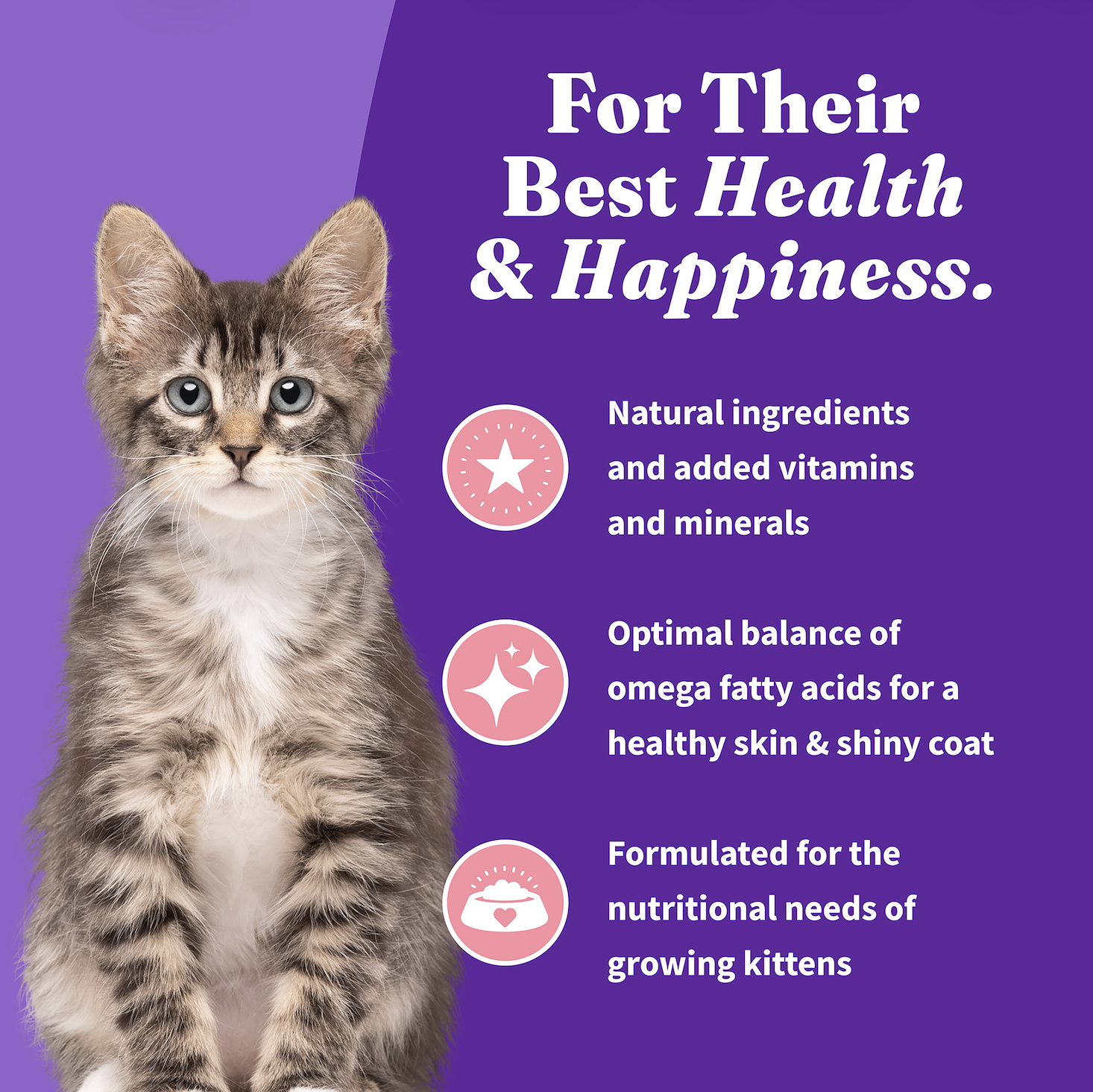
Growing kittens generally need more calories, protein and fat than adult cats, along with carefully balanced levels of nutrients such as:
-
Taurine for normal heart and eye function
-
Calcium and phosphorus for growing bones and teeth
-
Essential amino acids for healthy tissue development
-
Vitamins and minerals for overall growth
-
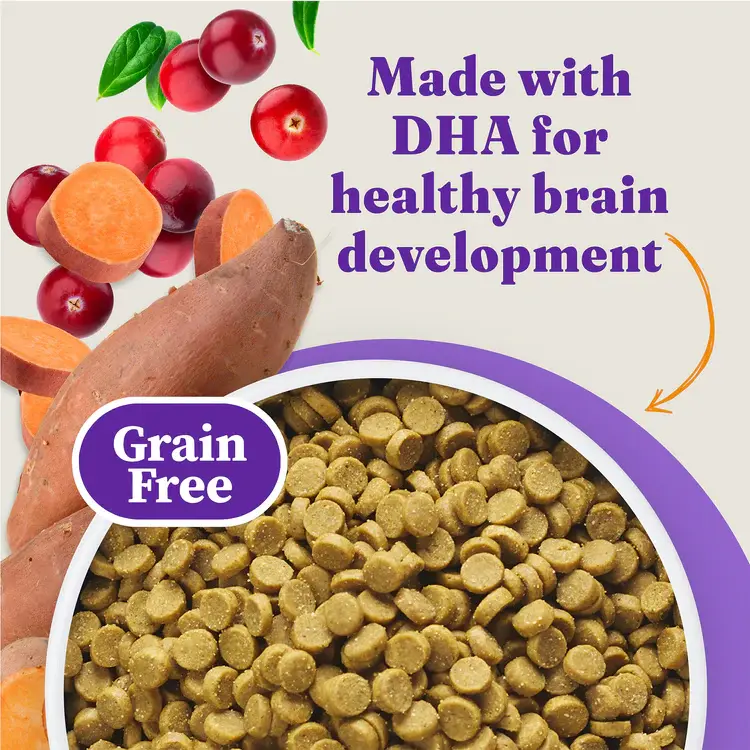
DHA for healthy brain development
When choosing a food, check the nutritional adequacy statement on the package. Look for a formula labeled complete and balanced for growth, growth and reproduction or all life stages.²
And before adding fish oil or another supplement, talk with your veterinarian. A complete and balanced food is already formulated with specific nutrient levels, and extra supplementation isn’t always necessary.
Small kitten. Big appetite. Even bigger developmental needs.
Whether you’re welcoming home a new kitten, fostering a litter or caring for a pregnant or nursing cat, the right nutrition matters from the very beginning. Kittens grow quickly, and their food has a lot of work to do.
One nutrient that plays an especially important role during this stage? DHA.
What Is DHA?
DHA stands for docosahexaenoic acid. It’s a long-chain omega-3 fatty acid naturally found in the brain and retina.
During kittenhood, the brain, eyes and nervous system are developing at full speed. DHA helps support that process by serving as an important structural component of brain and retinal tissue.
Basically, while your kitten is busy learning how to pounce, climb and somehow fit behind the refrigerator, DHA is helping support all the development happening behind the scenes.
What Is DHA?
DHA stands for docosahexaenoic acid. It’s a long-chain omega-3 fatty acid naturally found in the brain and retina.
During kittenhood, the brain, eyes and nervous system are developing at full speed. DHA helps support that process by serving as an important structural component of brain and retinal tissue.
Basically, while your kitten is busy learning how to pounce, climb and somehow fit behind the refrigerator, DHA is helping support all the development happening behind the scenes.
Why do kittens need it?
Kittens aren’t especially efficient at producing DHA from other fatty acids, so it’s important for them to receive it through their diet.
Research in developing kittens has shown that diets containing DHA support its accumulation in the brain and retina.¹ That makes it an important part of a complete and balanced food formulated for growth.
DHA also matters before kittens begin eating on their own. A pregnant or nursing cat relies on her diet to provide energy and nutrients for both herself and her litter. Feeding her a complete and balanced food suitable for growth and reproduction helps support those extra nutritional demands.
More Than Just Smaller Kibble
Kitten food isn’t simply adult cat food in bite-sized pieces.
Growing kittens generally need more calories, protein and fat than adult cats, along with carefully balanced levels of nutrients such as:
-
Taurine for normal heart and eye function
-
Calcium and phosphorus for growing bones and teeth
-
Essential amino acids for healthy tissue development
-
Vitamins and minerals for overall growth
-
DHA for healthy brain development
When choosing a food, check the nutritional adequacy statement on the package. Look for a formula labeled complete and balanced for growth, growth and reproduction or all life stages.²
And before adding fish oil or another supplement, talk with your veterinarian. A complete and balanced food is already formulated with specific nutrient levels, and extra supplementation isn’t always necessary.
Why do kittens need it?
Kittens aren’t especially efficient at producing DHA from other fatty acids, so it’s important for them to receive it through their diet.
Research in developing kittens has shown that diets containing DHA support its accumulation in the brain and retina.¹ That makes it an important part of a complete and balanced food formulated for growth.
DHA also matters before kittens begin eating on their own. A pregnant or nursing cat relies on her diet to provide energy and nutrients for both herself and her litter. Feeding her a complete and balanced food suitable for growth and reproduction helps support those extra nutritional demands.
More Than Just Smaller Kibble
Kitten food isn’t simply adult cat food in bite-sized pieces. Growing kittens generally need more calories, protein and fat than adult cats, along with carefully balanced levels of nutrients such as:
-
Taurine for normal heart and eye function
-
Calcium and phosphorus for growing bones and teeth
-
Essential amino acids for healthy tissue development
-
Vitamins and minerals for overall growth
-
DHA for healthy brain development
When choosing a food, check the nutritional adequacy statement on the package. Look for a formula labeled complete and balanced for growth, growth and reproduction or all life stages.²
And before adding fish oil or another supplement, talk with your veterinarian. A complete and balanced food is already formulated with specific nutrient levels, and extra supplementation isn’t always necessary.
DHA, The Halo Way
Halo Holistic kitten food is made to support kittens through this fast-growing stage, with higher protein, fat and calories than adult-maintenance recipes and a guaranteed minimum of 0.15% DHA for healthy brain development.
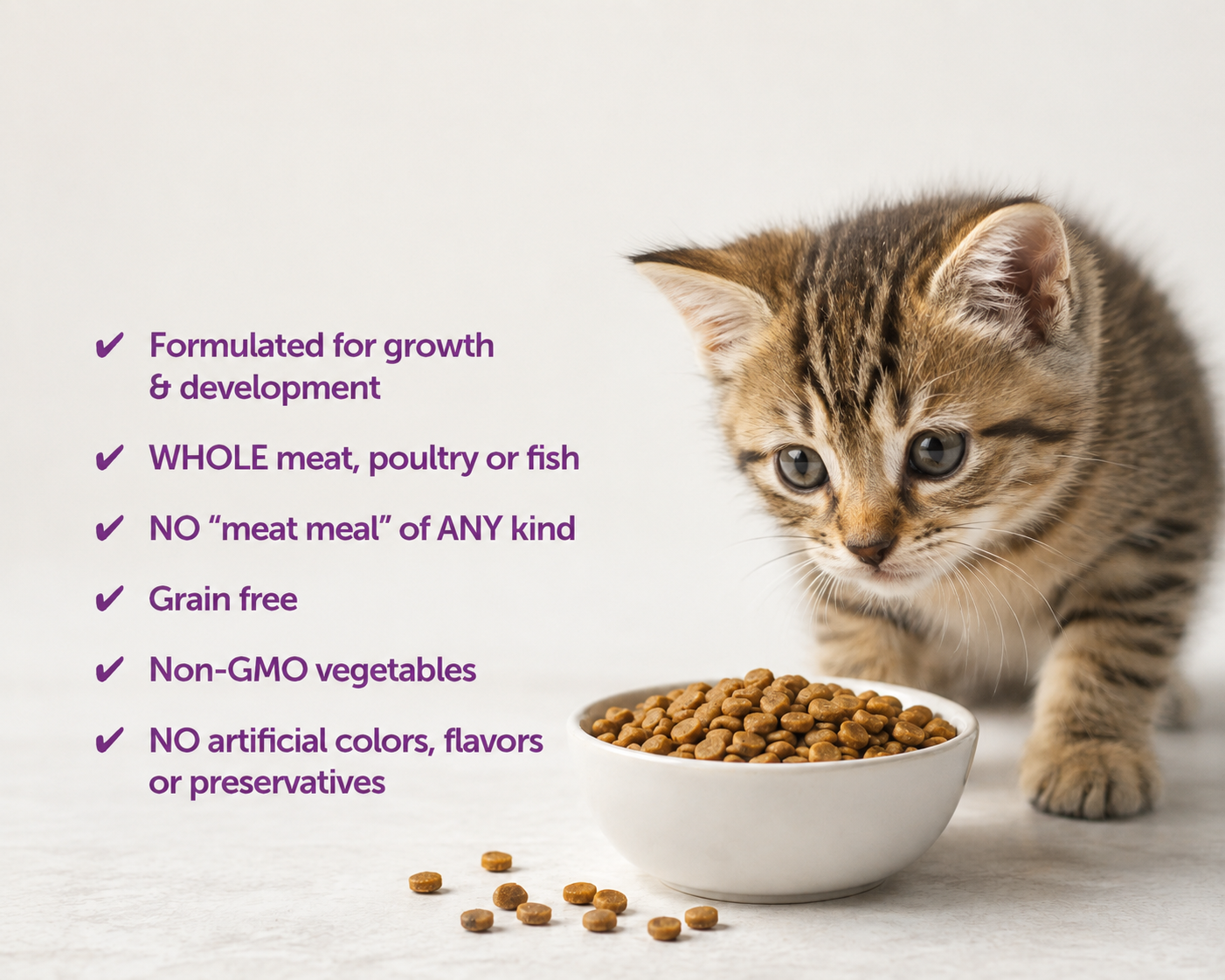
Choose from our Wild-Caught Salmon & Whitefish Recipe, made with responsibly sourced whole salmon as the first ingredient, or our Cage-Free Chicken Recipe, made with whole chicken as the first ingredient. Both grain-free recipes are made without meat meals and include prebiotics, probiotics and postbiotics to support digestive health, immune health and overall well-being.³
DHA, The Halo Way
Halo Holistic kitten food is made to support kittens through this fast-growing stage, with higher protein, fat and calories than adult-maintenance recipes and a guaranteed minimum of 0.15% DHA for healthy brain development.
Choose from our Wild-Caught Salmon & Whitefish Recipe, made with responsibly sourced whole salmon as the first ingredient, or our Cage-Free Chicken Recipe, made with whole chicken as the first ingredient. Both grain-free recipes are made without meat meals and include prebiotics, probiotics and postbiotics to support digestive health, immune health and overall well-being.³
A Strong Start for Your Smallest Family Member
Kitten season may be full of tiny claws, surprise zoomies and very little personal space, but it’s also an important time for growth. Choosing a complete and balanced kitten food with DHA is one simple way to support everything developing inside that tiny, curious head.
Have a new kitten or foster story to share? Tag @halopets on social media. We’re always ready for more kitten content.
DHA, The Halo Way
Halo Holistic kitten food is made to support kittens through this fast-growing stage, with higher protein, fat and calories than adult-maintenance recipes and a guaranteed minimum of 0.15% DHA for healthy brain development.
Choose from our Wild-Caught Salmon & Whitefish Recipe, made with responsibly sourced whole salmon as the first ingredient, or our Cage-Free Chicken Recipe, made with whole chicken as the first ingredient. Both grain-free recipes are made without meat meals and include prebiotics, probiotics and postbiotics to support digestive health, immune health and overall well-being.³
A Strong Start for Your Smallest Family Member
Kitten season may be full of tiny claws, surprise zoomies and very little personal space, but it’s also an important time for growth.Choosing a complete and balanced kitten food with DHA is one simple way to support everything developing inside that tiny, curious head.
Have a new kitten or foster story to share? Tag @halopets on social media. We’re always ready for more kitten content.
Sources
-
Pawlosky, R.J., et al. “Retinal and Brain Accretion of Long-Chain Polyunsaturated Fatty Acids in Developing Felines.” The American Journal of Clinical Nutrition.
-
Association of American Feed Control Officials. “Reading Labels.”
-
Halo Pets. “Halo Holistic Grain Free Wild-Caught Salmon & Whitefish Recipe Dry Kitten Food.”