

Your Pet's Food Bag, Decoded: A Pet Parent's Guide to Reading Labels and Ingredients
A No-BS Guide to Understanding What You're Actually Feeding Your Pet

Your Pet's Food Bag, Decoded: A Pet Parent's Guide to Reading Labels and Ingredients
Most of us have stood in the pet food aisle, flipped a bag over with every intention of making an informed decision, and left more confused than when we started. The ingredient list is long and most of it is words you cannot pronounce. According to a 2025 survey, 58% of pet owners believe pet food labels are misleading¹ — and a separate study found that 79% of consumers feel the same way about pet product advertising overall.² The good news is that once you know what to look for, a label actually tells you quite a lot.
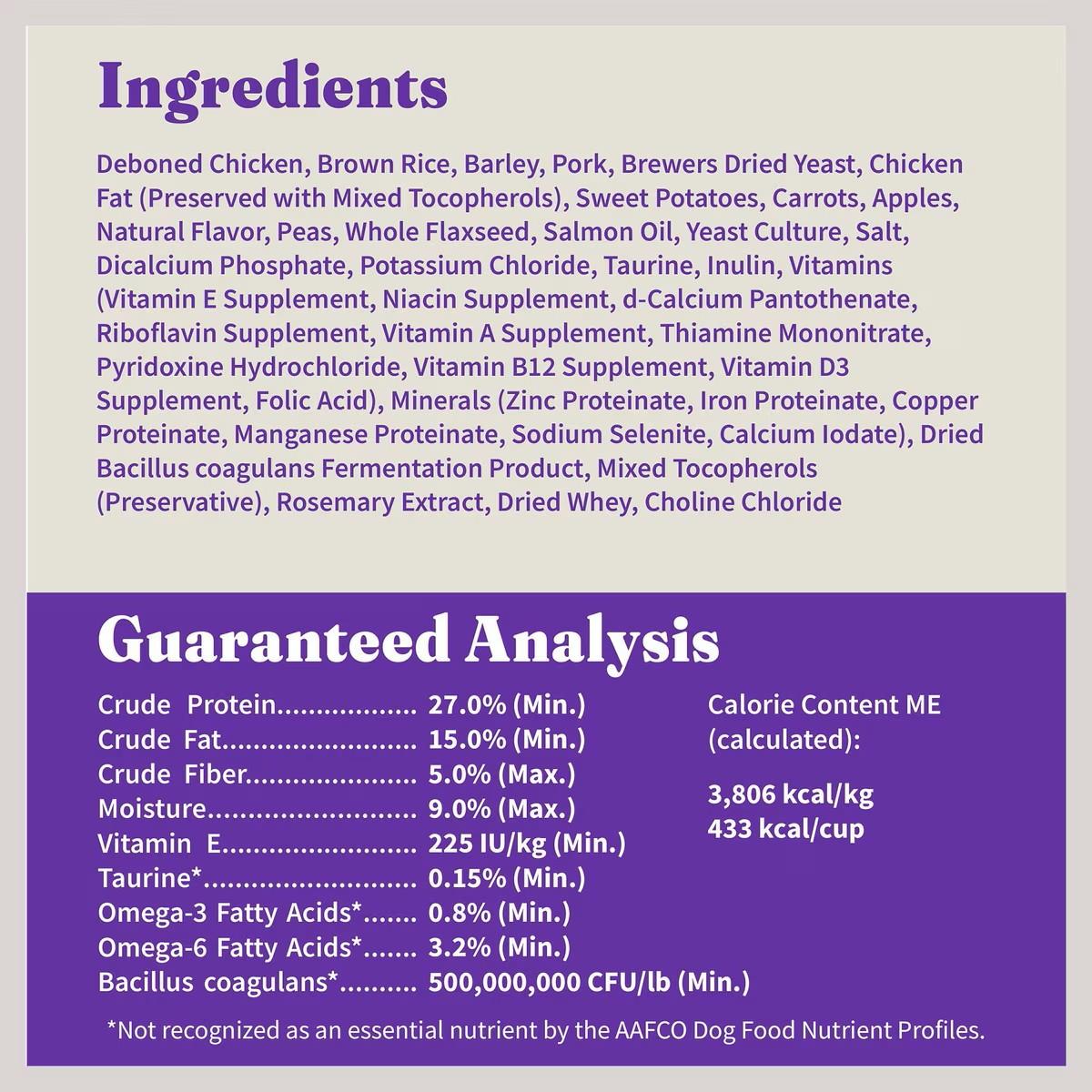
The Ingredient List: Where to Begin
Look for a clearly named whole protein like "deboned chicken" or "wild-caught salmon" as the first ingredient. Vague terms like "meat protein," "animal digest," or "meat meal" are red flags — if a brand cannot name the animal, that is worth noting. And avoiding.
Also watch for ingredient splitting — when one ingredient gets broken into multiple similar entries to make each look smaller. A rice-heavy formula might list "ground rice" and "rice flour" separately, for example. Combined, they could easily outweigh the meat or whole vegetables, even if those appear first. Always look at the first five ingredients together, not just the first one.³
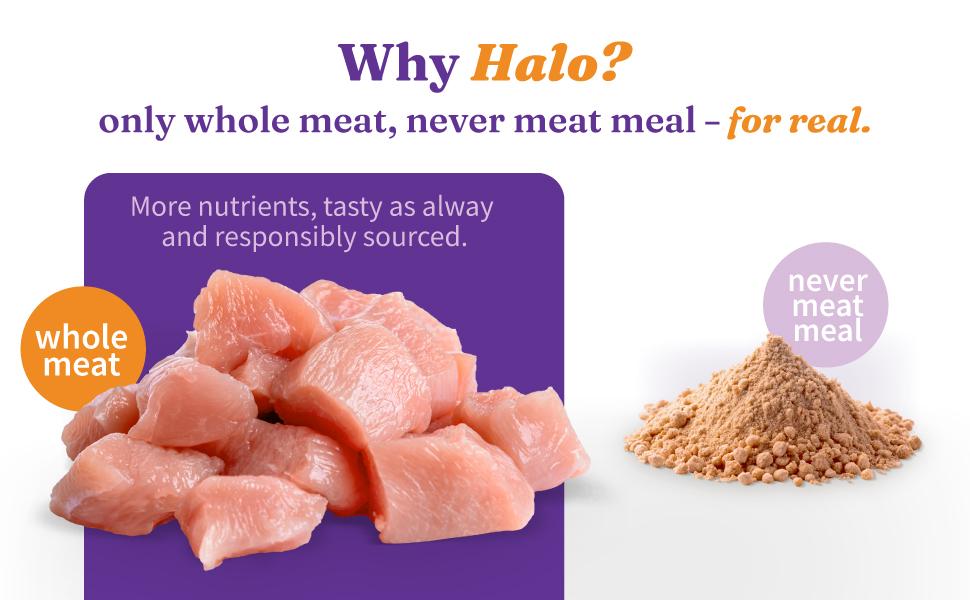
Whole Protein vs. Meat Meal
Whole proteins, like the ones found in our recipes, are minimally processed and retain their natural amino acids, digestibility, and palatability. Meal ingredients are different — they're made through a process called rendering, where animal materials are cooked at high temperatures and pressure to remove most of the water and fat, leaving behind a concentrated powder of protein and minerals.
You may also see "chicken meal" on a label, which is more tightly regulated than generic meal ingredients. (AAFCO defines chicken meal as clean flesh and skin, with or without bone, excluding feathers, heads, feet, or entrails.¹⁰) And when a label just says "meat meal" without naming the source, that's where things get murky — the definition gets much broader and vaguer, making it nearly impossible to know exactly what's in it
At Halo, whole proteins are always part of the picture — and we never rely on meat meals — because we believe your pet deserves real, minimally processed ingredients.
What to Look for When It Comes to Sourcing
Sourcing is one of the easiest things for a brand to be vague about on a label — and one of the most important things to pay attention to.
If a label just says "beef" or "chicken" with no additional context, there's no way to know how that animal was raised or what it was fed. The same goes for plant-based proteins — generic terms like "vegetable protein" or "plant protein concentrate" don't tell you much about quality or sourcing either. The more specific the label, the more transparent the brand.3
Look for callouts like grass-fed, wild-caught, free-range, non-GMO, and a clearly named country of origin — but make sure those claims are backed up in the actual ingredient list, not just splashed on the front of the bag. Marketing language on the packaging doesn't always match what's inside.⁴ Responsibly sourced ingredients cost more to produce, which is why not every brand prioritizes them — but the quality of the protein directly affects the nutrition your pet actually gets from it. It's worth knowing the difference.
At Halo, sourcing is something we take seriously — which is why every recipe is made with whole vegetables, grass-fed beef, wild-caught fish, and free-range chicken, all non-GMO and made in the USA.
Guaranteed Analysis
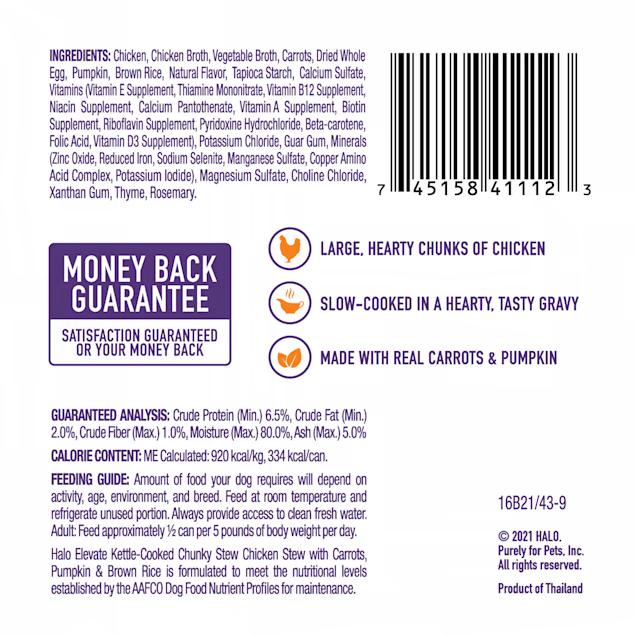
Your vet tells you your pet needs a certain amount of protein, fat, and fiber daily — the Guaranteed Analysis is how you confirm the food you are buying actually delivers that. Think of it as the nutrition facts label for your pet's food.⁵ But here is the catch — it only tells you how much of each nutrient is in the food, not where it comes from. A food can show a high protein percentage and still be made from low-quality sources. Always read it alongside the ingredient list, not instead of it.
One more thing — if you are ever comparing dry food to a wet food, the numbers are not directly comparable because wet food contains far more moisture. Kibble generally contains about 10% moisture while canned food contains around 78%. Subtract the moisture percentage from 100 to get a true side-by-side comparison.⁶
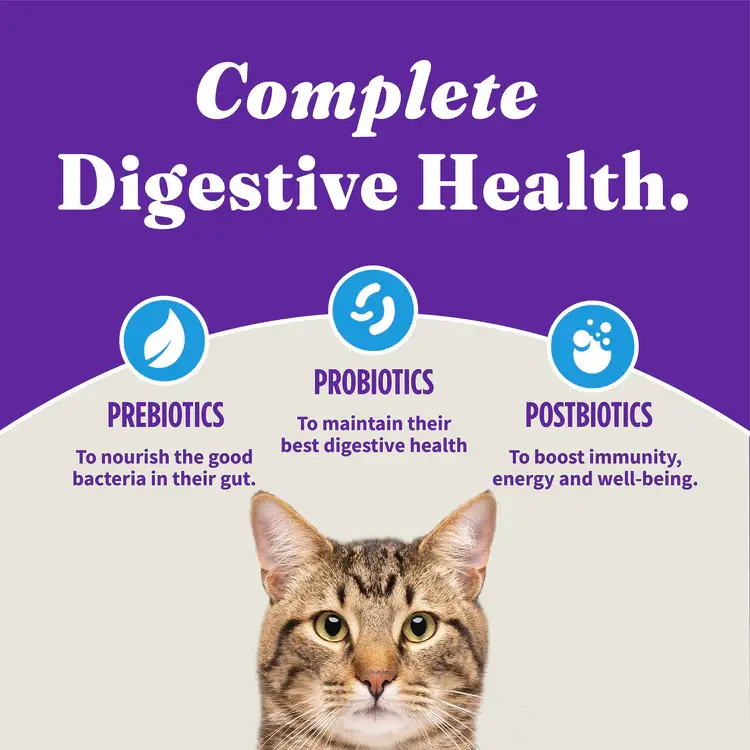
Gut Health: Worth Looking For
When scanning a label, look for prebiotics, probiotics, and postbiotics — ideally all three. They work together as a system to support your pet's gut health, immune function, coat condition, and energy levels.⁷˒⁸˒⁹ Research suggests roughly 70–80% of your pet's immune cells reside in the gut,⁷ which makes what you put in their bowl more important than most people realize.
Not every brand includes all three. Halo Holistic does, across every recipe.
The Bottom Line
Named whole proteins at the top of the ingredient list. A complete and balanced AAFCO statement matched to your pet's life stage. Transparent sourcing. These are the signs of a bag you can trust.
We hope this helps you feel a little more confident next time you flip a bag over. If you want to explore a food that checks every box, you can browse the full range of Halo food, treats, and toppers here.

Sources
1. PETS International / Yummypets Consumer Survey (2025) via GlobalPETS
2. BSM Partners / AFIA 2025 Pet Food Conference via Pet Food Processing
3. PetMD, "A Guide to Dog Food Ingredients and Reading Dog Food Labels"
4. Pet Food Institute, "A to Z of Pet Food: How to Read a Pet Food Label"
5. Pet Food Institute, "What Is Guaranteed Analysis"
6. Whole Dog Journal, "How to Compare Nutrient Levels in Canned Dog Foods with Dry Foods," Nancy Kerns
7. PMC (2023), "Gut Probiotics and Health of Dogs and Cats"
8. Pets journal (2026) — probiotic/prebiotic/postbiotic supplement in healthy dogs
9. AnimalBiome (2024), "Boost Dog Health with Probiotics, Prebiotics, and Postbiotics”
10. AAFCO (2024), "What's in the ingredients list?"